Why Affordable Pest Removal in Buffalo Is Helping Schools Teach Practical Science About Urban Ecosystems
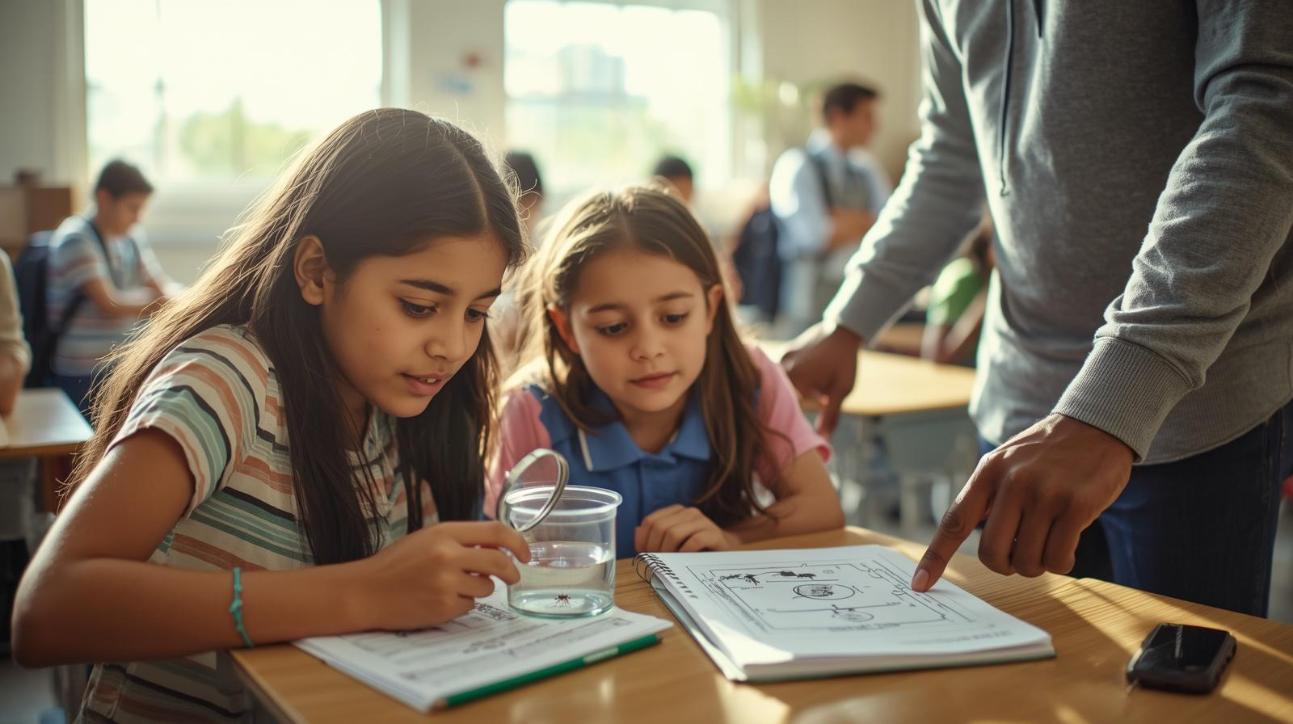
Unexpected lessons can appear almost anywhere during a science class. In Buffalo, a quiet collaboration between schools, maintenance staff, and local pest control professionals has turned an ordinary problem into an unexpected learning opportunity.
Early in the school year, a facilities manager at one middle school mentioned the school’s work with Buffalo pest control services while students were discussing urban wildlife.
At first, the connection sounded almost accidental. But as teachers thought about it more, they realized that pests like ants, mice, and cockroaches are actually part of a much larger ecological story.
Urban ecosystems do not stop at parks or rivers. They stretch into basements, kitchens, locker rooms, and even the soil near playgrounds. These overlooked spaces reveal how animals adapt their behavior in response to human environments.
One science teacher laughed while explaining it to her class. “You can show students diagrams all day,” she said, “but the moment they learn how a mouse actually finds food inside a building, suddenly ecology becomes real.”
The Hidden Ecology of School Buildings
Most people see pests simply as a nuisance. But their presence can also reveal how different systems interact within a building.
Rats tend to appear where food waste accumulates. Ant colonies often form near small sources of moisture. Cockroaches show up where sanitation begins to slip. Each of these situations reflects the same ecological principles students read about in textbooks.
When schools implement pest control, they are unknowingly demonstrating environmental science in action. It becomes a real-world version of what scientists observe in the field.
Teachers began asking simple questions:
- Why are ants drawn to certain hallways?
- Where do mice go when the temperature drops outside?
- How does waste disposal affect insect populations?
Some classes even started mapping possible “habitats” around the school and comparing them with nearby outdoor ecosystems. The results surprised many of the students.
A corner of the cafeteria, someone joked, could function like a miniature urban forest for certain insects.
Learning From Real-Life Situations
Experience often solidifies lessons. In Buffalo schools, pest management has become an informal case study in environmental science, public health, and even engineering.
Students begin to see how changing one part of an environment affects the entire system.
During one visit, a maintenance supervisor showed students how sealing a small gap in the wall prevented rats from entering the building. One seventh grader raised his hand and said, “It’s like closing a migration route.”
The comment caught everyone’s attention. In a simple way, the student had summarized a key idea in urban ecology: animals move through the structures humans build.
Moments like that give students something many textbooks struggle to provide, context.
A Better Learning Environment
Teachers noticed another change as the year went on. Conversations slowly shifted away from the pests themselves and toward responsibility.
Students began talking about proper waste disposal, recycling, and cleaning shared spaces. Keeping the school clean suddenly had a visible purpose.
It was not part of a formal curriculum. No one designed it as a structured program.
Instead, the lesson grew naturally from curiosity and observation.
Sometimes education works best that way.
When science leaves the classroom and moves into the hallways and maintenance rooms, students stop memorizing ecosystems. They begin to recognize that they are living inside one.
